- On-demand remote support: A one-time session where someone sits at the remote computer to share an access code and grant permission. This is ideal for troubleshooting a friend or family member’s PC.
- Unattended remote access: Continuous, password-protected access to your own equipment when no one is around to click “Accept.”
- Constant power: Standard consumer tools cannot boot up a computer that is completely powered off.
- Disabled sleep mode: You must configure the host operating system so it never enters sleep or hibernation while idle.
- An active network connection: A stable internet connection is required. While Wi-Fi works, a wired Ethernet connection significantly cuts input lag.
Use Built-In Windows and Mac Tools
If both computers sit on the same Wi-Fi network or local network, you do not need third-party downloads. Both major operating systems offer fast, built-in remote desktop options.Windows Remote Desktop (RDP)
Microsoft’s Remote Desktop Protocol (RDP) is responsive and resource-light because it interacts directly with the operating system rather than streaming raw video frames. However, the host computer must run Windows Pro, Enterprise, or Education (Windows Home can act as the controlling client, but cannot accept incoming RDP requests). To enable RDP on the target PC:- Go to Settings > System > Remote Desktop.
- Toggle Remote Desktop to On and confirm the change.
- Note the exact PC name listed on this screen (e.g., DESKTOP-J89KL) or open Command Prompt and type
ipconfigto find its local IP address.
macOS Screen Sharing
Apple includes native screen sharing across macOS devices. To enable remote control on the target Mac:- Go to System Settings > General > Sharing.
- Turn on Screen Sharing (or Remote Management).
- Click the Info (i) button next to the toggle to set which user accounts are allowed access.
Important: Built-in options like RDP and macOS Screen Sharing are designed for local networks. Accessing them over the public internet safely requires setting up a secure Virtual Private Network (VPN) on your router or host machine. Never open default RDP ports directly to the open internet.
Set Up Chrome Remote Desktop
For a free, reliable way to access a computer over the internet without altering router settings or handling network ports, Google’s Chrome Remote Desktop is one of the easiest options available. Because traffic routes through Google’s cloud infrastructure, it bypasses network firewalls automatically and runs on Windows, macOS, Linux, and ChromeOS.- Open Google Chrome on the target computer and go to
remotedesktop.google.com/access. - Under Set up remote access, click the download button to install the host utility.
- Assign a name to the host computer.
- Create a secure PIN (at least 6 digits). You will enter this PIN every time you start a remote session.
- On macOS, grant the requested Accessibility, Screen Recording, and System permissions under System Settings > Privacy & Security.
Dedicated Apps like AnyDesk or TeamViewer
When you need full remote management—such as moving large files directly, working across multi-monitor setups, or rebooting into Safe Mode—dedicated remote clients are the standard choice. Tools like AnyDesk, TeamViewer, and RustDesk connect devices by routing the initial connection handshake through global signaling servers. This circumvents complex router setups, Network Address Translation (NAT) limits, and restrictive local firewalls.Key Features for Power Users
- Dual-pane file transfer: Drag and drop files between host and client systems directly without using cloud storage services.
- Multi-monitor management: Switch between host displays instantly or map multiple monitors side by side across your local display.
- Remote printing: Print documents stored on the remote machine straight to your local physical printer.
- Clipboard sync: Copy text, code, or images on your local machine and paste them directly into the remote interface.
On-Demand Support vs. Unattended Access
These applications support both quick troubleshooting and long-term remote access. For quick assistance, have the remote user open the software and read you their 9-digit or 10-digit Session ID, then click “Accept” when the prompt appears. For your own workstations, register the device to your personal account, configure an unattended access password, and connect whenever needed with a single click.Lock Down Your Connection to Keep Your Data Safe
Exposing a computer to remote access creates a potential entry point for attackers if configured without proper security controls. A breached remote connection grants access to local files, saved browser passwords, and connected network devices.- Require two-factor authentication (2FA): Secure your remote service accounts (AnyDesk, TeamViewer, Google) with an authenticator app or security key. If your password leaks, unauthorized users still cannot start a session without your second factor.
- Avoid opening standard RDP ports: Port 3389 (the standard Windows RDP port) is constantly probed by automated scanner bots. If you use Windows RDP over the internet, connect through an encrypted mesh VPN like WireGuard or Tailscale instead of port-forwarding on your router.
- Use Access Control Lists: Enable account whitelisting features inside apps like AnyDesk. This forces the host to reject any connection attempt that does not come from your approved client account IDs.
- Blank the screen during remote work: If you view sensitive data while away from your desk, enable the “Blank Remote Screen” setting to keep the physical host monitor blacked out while you work.
Fix Common Remote Desktop Connection Drops and Lag
Cursor delays, frozen frames, and dropped connections disrupt remote work quickly. If your session feels sluggish or drops unexpectedly, check these common points:1. Disable Network Card Power Management
Operating systems often power down network cards to save energy after long periods of idle input. On Windows, open Device Manager, expand Network adapters, right-click your network hardware, open Properties > Power Management, and uncheck Allow the computer to turn off this device to save power.2. Reduce Visual Quality Settings
Streaming high-resolution desktop frames requires consistent bandwidth. Open your remote client’s settings panel during a session and:- Switch rendering quality from “Best Quality” to “Optimize Speed” or “Balanced.”
- Disable desktop backgrounds, window animations, and font smoothing.
- Drop the host screen resolution (for example, down to 1080p) to reduce frame data transmission requirements.
3. Verify Firewall Approvals
If connections fail to establish or drop immediately upon launch, check local firewall rules. In Windows, search for Allow an app through Windows Firewall and ensure your remote control application is allowed on both Private and Public networks. On macOS, check System Settings > Network > Firewall to confirm your host app is explicitly approved for incoming connections.In our daily life, on several occasions, we may encounter problems to obtain some essential files or photos from our home computer to our office (work) computer. If somebody is in your home, having a good knowledge of computer and internet and having an internet connection you get the file through your mail or through any file sharing site. If there is no one in your home or the one in your home is not an experienced internet user things become more difficult. Suppose if there is a way to connect your work computer to home computer to check the availability of a file in your home computer, how sweet it is? Here are some ways to remotely connect your computer with another computer.
Using Windows Remote Desktop Connection
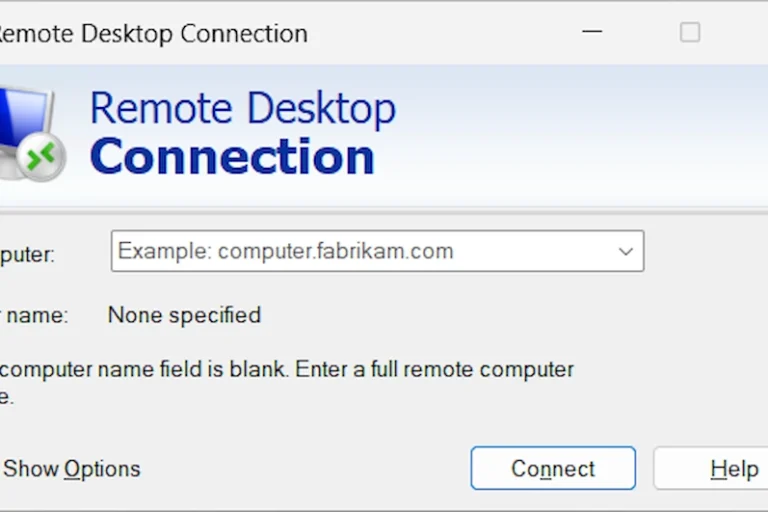
If you are using a Windows-based computer the best option is Windows Remote Desktop Connection. Through Remote Desktop Connection, you can connect your computer to another computer running Windows that is connected to the Internet or in the same network. Through Remote Desktop Connection, you can access the other computer’s installed programs, resources, and files. Now, how to connect to a remote computer? The two computers must be turned on and must have a network or internet connection. Then enable the Remote Desktop connection, and grand the permission to connect to another computer. For permission to connect, you must be on the list of users. To set up a Remote Connection first goes to Control Panel then click System then go to Advanced System Settings. Now go to Remote tab, under Remote Assistance, tick the check mark on Allow Remote Assistance connections to this computer. To Connect to a Remote Desktop, Click on Start menu go to All Programs, then to Accessories and find Remote Desktop Connection. In the new screen enter the Name of the computer or IP address of the computer you wish to connect to and click on Connect. In the box enter the login details of the user account. You can check this tutorial to set up a remote desktop connection.
Accessing other computers using Chrome Browser
If you are using Google Chrome browser, an extension is there to connect with other computers-Chrome Remote Desktop. The extension allows you to remotely access a computer through your Chrome browser or Chromebook. The fully secured connection is good for remote technical support and for remote accessing applications and files from another computer. The Chrome Remote Desktop is a cross-platform extension, that can give remote assistance to Windows, Mac and Linux users, or access your Windows and Mac desktops from your Chrome browser. You can get the Chrome Remote Desktop extension from Chrome Webstore.
MSP360 Remote Assistant
(https://www.cloudberrylab.com/)
The Cloudberry (MSP 360) remote assistant is a free tool to quickly connect to a remote computer. You can access desktop orserver computer over the internet through an encrypted SSL connection. MSP360 is a handy tool to establish secure remote connection between two computers, you need to install the software on two computers the source and target. The app is by default launched into Allow Remote Control mode to allow other users to connect to your computer. To establish a connection you need a Computer ID and PIN. You can share the details to the person to connect to your computer. After receiving tyour ID and PIN, they can connect your computer by providing the Computer ID and clicking Connect. You will immediately be prompted to permit the connection. If you don’t want to share the entire screen, you can choose to share only a specific application. Then enter the PIN by the remote person will allow him to access your system. TeamViewer
(https://www.teamviewer.com/)
Another option is by using specific tools that is specially designed for the remote connection purpose like TeamViewer. The tool helps you to connects to any PC or server around the world and can remote control another PC. TeamViewer is available for Windows, Mac, Linux, Android, IOS and for Windows Phone. Teamviewer is a free utility. The user manuals and help files are available here.
Logmein
Like TeamViewer, LogMeIn Pro gives you fast, easy remote access to your PC or Mac from your browser, desktop, and mobile devices. The paid service have some advanced features like file transfer, file sharing and remote printing help. With LogMeIn, you can easily and securely transfer large files between computers through file manager and can synchronize, copy or move entire folders from one computer to another.
Gotomypc
(https://get.gotomypc.com/)
Gotomypc is a tool to transfer file between computers. You can view full displays of all monitors connected to your computer. You can easily cut, copy and paste between your connected computers.
For MAC Users
If you want to connect a Windows computer to a Mac computer using a screen sharing client like TightVNC or UltraVNC. TightVNC is a free remote control software, using TightVNC you can see the desktop of a remote computer and can control it. UltraVNC is a powerful, easy to use and free software that can display the screen of another computer (via internet or network) on your own screen. For Ma,c to Mac connection Mac’s Built-In Screen Sharing is the best option. Mac OS X has a good Screen Sharing feature built into the OS, so you can use the built-in Screen Sharing feature to access any Mac from another Mac easily. Another option for Mac users is Apple Remote Desktop, having Automator actions, Remote Spotlight search and a new Dashboard widget.
These are some methods to remotely connect your computer with another computer. You can do more with a remote desktop connection, now most of the computer support geeks offering technical support through Teamviewer, which give them the freedom to give customer support to users in real-time. If you are running a business and you want to distribute software among your users or if you are running a technical support firm, you can provide real-time online support to end users through a remote desktop connection. If you have any other ideas, you can share it here.