
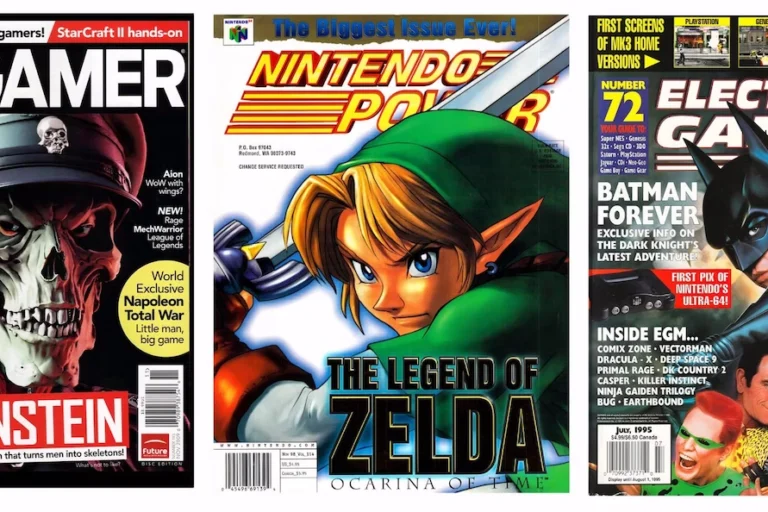
You likely searched for gaming magazines because daily games media feels increasingly hollow. Clicking a headline only to find a 200-word rewrite of a Reddit thread, an SEO listicle, or a timeline full of unvetted spoilers gets frustrating fast. The modern digital games landscape moves quickly, but that speed trades away context, craft, and critical depth.
A growing number of readers are returning to structured magazines and independent journals for exactly this reason. These publications step off the news treadmill to prioritize high-production design, investigative reporting, long-form post-mortems, and candid interviews with creators who rarely speak to daily news outlets. Whether printed on heavy paper stock or delivered as a clean digital edition, magazines treat video games with the critical weight and visual polish they deserve.
This guide highlights the finest video game magazines currently publishing—from established industry powerhouses and boutique art journals to retro preservation archives—plus practical advice for building your reading list.
The Industry Giants
A handful of heritage publications have weathered decades of media disruption by offering access and authority that quick-turn web outlets cannot match.
Edge Magazine
Published in the UK since 1993, Edge remains the definitive trade-and-criticism periodical of the video game industry. Known for stark, minimalist covers and an authoritative editorial voice, Edge approaches games with an analytical, industry-insider lens. Each monthly issue features sweeping studio visits, exhaustive development post-mortems, and candid roundtables with directors ranging from Hidetaka Miyazaki to indie auteurs. Edge also maintains one of the most notoriously exacting scoring scales in games criticism, making its reviews a genuine event for developers and readers alike.
PC Gamer
For over thirty years, PC Gamer has served as the central hub for desktop gaming culture. The magazine excels by treating the PC not just as a gaming platform, but as a dynamic hobby ecosystem. Alongside rigorous GPU and component benchmarks, each issue dives deep into sprawling 4X strategy titles, complex simulations, expansive modding communities, and off-beat indie games long before they reach console audiences. If you care about system architecture, community patches, and the quirks of PC gaming history, its long-form features remain essential.
PLAY Magazine
Emerging from the legacy of Official PlayStation Magazine, PLAY offers enthusiast-grade coverage of Sony’s hardware and software ecosystem. Rather than simply listing release dates, the magazine delivers deep dives into PlayStation Studios’ design processes, technical analyses of hardware capabilities, and rich retrospectives on classic franchises from the PS1, PS2, and PS3 eras. It is tailored specifically for players invested in narrative blockbusters, console-exclusive indies, and PlayStation history.
Boutique and Coffee-Table Periodicals
A new wave of independent, book-quality periodicals treats games not merely as consumer software, but as cultural artifacts worthy of aesthetic and academic critique.
Lock-On (Lost In Cult)
Lock-On, produced by publisher Lost In Cult, is a flagship example of the modern “coffee-table” gaming journal. Printed on heavy, textured paper stock with bespoke foil-stamped covers, each volume doubles as a permanent art book. Inside, commissioned illustrations from professional concept artists accompany essays exploring game design philosophy, audio composition, and virtual architecture. Lock-On bypasses traditional review scores entirely, choosing instead to preserve the cultural impact of titles like Sable, Elden Ring, and forgotten Dreamcast classics through evocative visual essays.
Unwinnable Monthly
Operating as a digital publication, Unwinnable Monthly sits at the intersection of gaming, literature, film, and personal memoir. It skips standard buyer’s advice to publish unconventional cultural criticism. Writers examine how games intersect with grief, isolation, body horror, and niche subcultures, frequently spotlighting experimental interactive fiction and indie projects that get overlooked elsewhere. If you appreciate literary essays that treat interactive media as part of a broader artistic conversation, Unwinnable is an indispensable monthly read.
Heterotopias
Created by game designer and writer Gareth Damian Martin, Heterotopias is a specialized zine series studying the spatial design, architecture, and landscape photography of virtual worlds. Utilizing clean, architectural layout design and striking in-game photography, the publication analyzes how level designers construct mood, control movement, and craft meaning through digital spaces. From the brutalist corridors of Control to the classical ruins of historical simulations, Heterotopias offers a spatial perspective found nowhere else.
Retro and Preservation Mags
As classic hardware ages and digital storefronts disappear, retrospective journalism plays a vital role in software preservation and historical record-keeping.
Retro Gamer
The premier monthly publication for classic gaming, Retro Gamer delivers meticulously researched histories spanning the golden age of arcades through sixth-generation consoles. The magazine is famous for its definitive “The Making Of” features, where journalists track down original programmers, artists, and producers to document the development of foundational games. Detailed hardware breakdowns, collector buying guides, and genre overviews make it essential for casual nostalgics and dedicated preservationists alike.
Independent Zines and Specialist Import Publications
Beyond mainstream newsstands, a thriving micro-publishing community produces specialized retro zines through platforms like Kickstarter and itch.io. Publications such as Scroll, alongside niche works covering Japanese PC ecosystems (like the PC-88 and MSX) and classic microcomputers (like the Commodore 64 and ZX Spectrum), rescue obscure development histories. These publications translate vintage developer interviews, catalog unreleased prototypes, and document regional gaming scenes that missed Western attention in the 1980s and 1990s.
Physical retro magazines act as durable paper archives. In an era where digital articles vanish due to website restructuring and link rot, print features preserve development history in a permanent, unalterable medium.
Choose the Right Subscription
With international shipping, digital archives, and crowdfunded release schedules to balance, selecting the best publication comes down to your reading habits and budget.
1. Weigh Physical Print Against Digital Delivery
Physical magazines offer superior layout design, tactile typography, and shelf presence, but international shipping costs add up quickly. If you live outside the UK or Europe—where many top print titles are produced—look into digital subscription services like Pocketmags, Readly, or direct PDF releases on Patreon. Digital subscriptions often include instant access to back-issue archives spanning a decade or more.
2. Match the Editorial Voice to Your Interests
- For Aspiring Developers and Critics: Choose Edge for industry insight or Lock-On for design theory and artistic retrospectives.
- For Narrative and Indie Game Enthusiasts: Subscribe to Unwinnable Monthly for literary, culture-focused essays.
- For Hardware Enthusiasts and Systems Thinkers: Choose PC Gamer for in-depth tech and systems-heavy genre coverage.
- For Historians and Collectors: Add Retro Gamer to your shelf for definitive development histories.
3. Support Independent Publishers Directly
Many of the most adventurous publications rely on direct community funding rather than advertising revenue. Backing quarterly Kickstarter campaigns or pledging monthly on Patreon helps independent editors commission original art, pay freelance writers fair rates, and print limited hardcover runs without corporate compromise.