You download a sleek new game from the Google Play Store, clear the introductory tutorial, and settle in for a fun session. Twenty minutes later, an unskippable 30-second video ad hijacks your screen. When it finally ends, an “Energy Depleted” banner demands either a four-hour wait or $2.99 in premium gems to keep playing.
Finding an Android game that respects your time and wallet has become an exhausting chore. Most “free-to-play” titles are sophisticated monetization engines disguised as games, engineered around artificial friction, aggressive loot boxes, and pay-to-win bottlenecks.
A genuinely free game works differently. To make this list, a game must meet strict criteria: zero pay-to-win mechanics, no intrusive full-screen ads, and complete access to the core gameplay loop without opening your wallet. Where monetization exists, it remains strictly optional—limited to visual cosmetics or player-initiated reward ads.
Completely Free Indie and Open-Source
The purest mobile experiences often come from independent developers and open-source communities who build games for the love of the craft rather than quarterly revenue reports. These titles contain zero monetization hooks whatsoever.
Data Wing
Created by solo developer Dan Vogt, Data Wing is a narrative-driven top-down racer set inside a sleek, neon computer system. You pilot a triangular craft using tight, physics-based drift mechanics, gaining speed by sliding against track boundaries. Alongside responsive touch controls and a pulse-pounding synthwave soundtrack, the game delivers an unexpectedly gripping multi-hour storyline driven by a rogue operating system named Mother. It features no ads, no microtransactions, and no premium currency—it is entirely free from start to finish.
Shattered Pixel Dungeon
If you enjoy punishing, traditional roguelikes, Shattered Pixel Dungeon is one of the best titles on any platform. Based on open-source code by Watabou and heavily expanded by Evan Debenham, this turn-based dungeon crawler challenges you to descend 26 procedurally generated floors to retrieve the Amulet of Yendor. With five distinct hero classes, dozens of subclasses, hundreds of items, and deep tactical complexity, every run presents a fresh puzzle. The game contains no ads and no gameplay-altering purchases; monetization is strictly limited to optional supporter donations.
Unciv
For strategy fans, Unciv is an open-source recreation of classic 4X empire builders like Civilization V. Built with lightweight, minimalist 2D graphics, Unciv lets you manage cities, research technologies, conduct diplomacy, and command armies across sprawling hex grids. It runs smoothly on virtually any hardware, weighs under 50 megabytes, supports custom community mods, and contains zero advertisements or paid microtransactions.
High-Production Action Games
Major studios can deliver massive graphical showcases for free when they rely entirely on cosmetic items—like character skins and weapon wraps—to keep the servers running. In these games, a free player stands on equal mechanical footing with someone spending thousands of dollars.
Shooters: Call of Duty: Mobile and PUBG Mobile
Both Call of Duty: Mobile and PUBG Mobile deliver refined, responsive shooter mechanics that rival console counterparts. In competitive battle royale and multiplayer modes, hitboxes and weapon statistics remain standard across the board. Player success depends entirely on spatial awareness, map knowledge, recoil control, and reaction speed. Every microtransaction in the store is purely aesthetic, meaning you can climb to the top of the global ranked leaderboards without spending a cent.
Massive Open Worlds: Genshin Impact and Honkai: Star Rail
While titles from HoYoverse utilize “gacha” systems to summon optional characters, games like Genshin Impact and Honkai: Star Rail provide complete, high-budget RPG campaigns for free. You can explore vast open worlds, solve intricate environmental puzzles, and play through hundreds of hours of fully voice-acted main storylines with the base roster given to you during the campaign. As long as you ignore the temptation to collect every rare character banner, you get a full AAA single-player experience without paying entry fees.
Device Management Tip: Massive titles like Genshin Impact require 20GB to 35GB of storage space. To keep your device cool and preserve battery life during long sessions, lower the rendering resolution to “Medium” in the settings menu and cap your framerate at 45 or 60 FPS to avoid thermal throttling.
Addictive Roguelikes and Action Hits with Optional Ads
Some of the most engaging mobile games incorporate advertisements without ruining the experience. The difference lies in agency: fair games never interrupt you with sudden commercial breaks; they let you choose when to watch an ad in exchange for a tangible perk.
Vampire Survivors
The viral PC hit Vampire Survivors arrived on Android with its chaotic gameplay loop completely intact. You control a character walking through thousands of swarming monsters while your weapons fire automatically, collecting gems to level up and stack overwhelming synergies. Developer Poncle avoided predatory mobile tropes: there are no energy limits and no forced pop-up ads during matches. Ads exist solely as an optional choice if you want an extra revive or bonus end-of-run gold.
Slice & Dice
Slice & Dice is a brilliant tactical roguelike where you control a party of five heroes, each represented by a customizable six-sided die. You roll your team, manage defense values, cast spells, and slice through encounters across tiered monster waves. The game offers a remarkably generous free version with several full game modes, allowing you to play for hours before offering a single, one-time in-app purchase to unlock the complete roster of classes and items—functioning like a classic shareware demo.
Fair Competitive Strategy and Card Games
Digital card games and auto-battlers frequently fall into pay-to-win traps by selling statistical advantages. However, several top-tier competitive games prioritize competitive integrity above all else.
- Teamfight Tactics (TFT): Riot Games’ premier auto-battler is 100% fair. Eight players draft from a shared pool of champions, build team synergies, and manage their gold economy. No in-game currency buys better units or higher roll odds; monetization consists solely of arenas, board animations, and cosmetic avatars.
- Marvel Snap: Matches last only three minutes across three shifting locations. While it features card-collecting progression, matchmaking pairs you against players with similar collection levels, ensuring you rarely face unattainable cards early on. Free players can easily construct meta-defining decks using staple synergy cards unlocked through regular play.
- Legends of Runeterra: Widely regarded as the most generous digital collectible card game on the market, it awards cards through a weekly reward vault based on playtime, making it simple to craft competitive decks without buying booster packs.
To stay competitive in card games as a free player, focus your crafting resources on a single top-tier deck archetype rather than spreading cards thin across every faction. Save your in-game currencies for targeted unlocks rather than impulse purchases on cosmetic store rotations.
How to Spot Generous Games on the Google Play Store
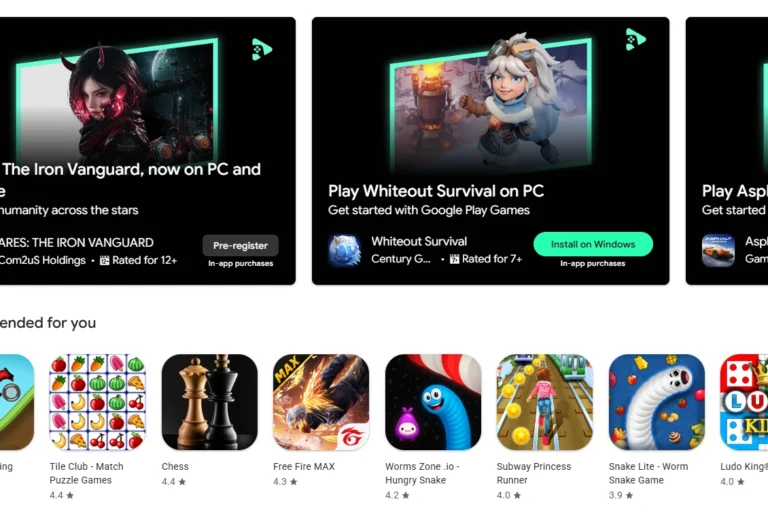
Finding quality games requires knowing how to read between the lines of store listings. Before tapping “Install,” scroll down to the About this game section and check the In-App Purchases pricing data.
If the in-app purchase range lists items up to $99.99 or $119.99 per item, the game is almost certainly tuned around aggressive resource starvation to push microtransactions. Conversely, listings with purchases capped at a reasonable price point (such as a single $4.99 unlock) generally indicate a fair demo-to-full-game model.
Avoid games displaying these major red flags:
- Stamina or energy bars that prevent you from playing standard levels consecutively.
- VIP tier systems that grant paying users permanent mechanical advantages or bonus daily resource payouts.
- More than three overlapping currencies (e.g., gold, energy, premium gems, summon tickets) designed to obscure the real-world cost of purchases.
For ongoing recommendations, look beyond the algorithmic Play Store charts. Communities like the r/AndroidGaming subreddit and third-party discovery platforms like MiniReview offer honest, community-driven breakdowns of monetization systems, helping you discover games that genuinely value your time.